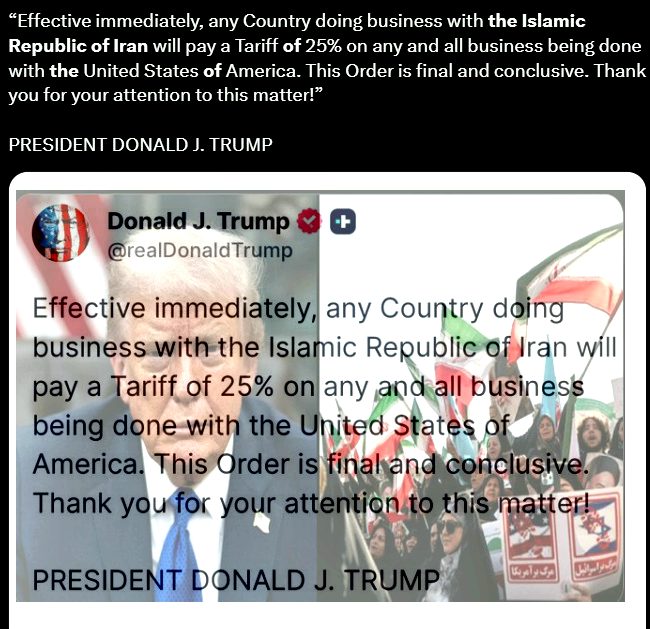
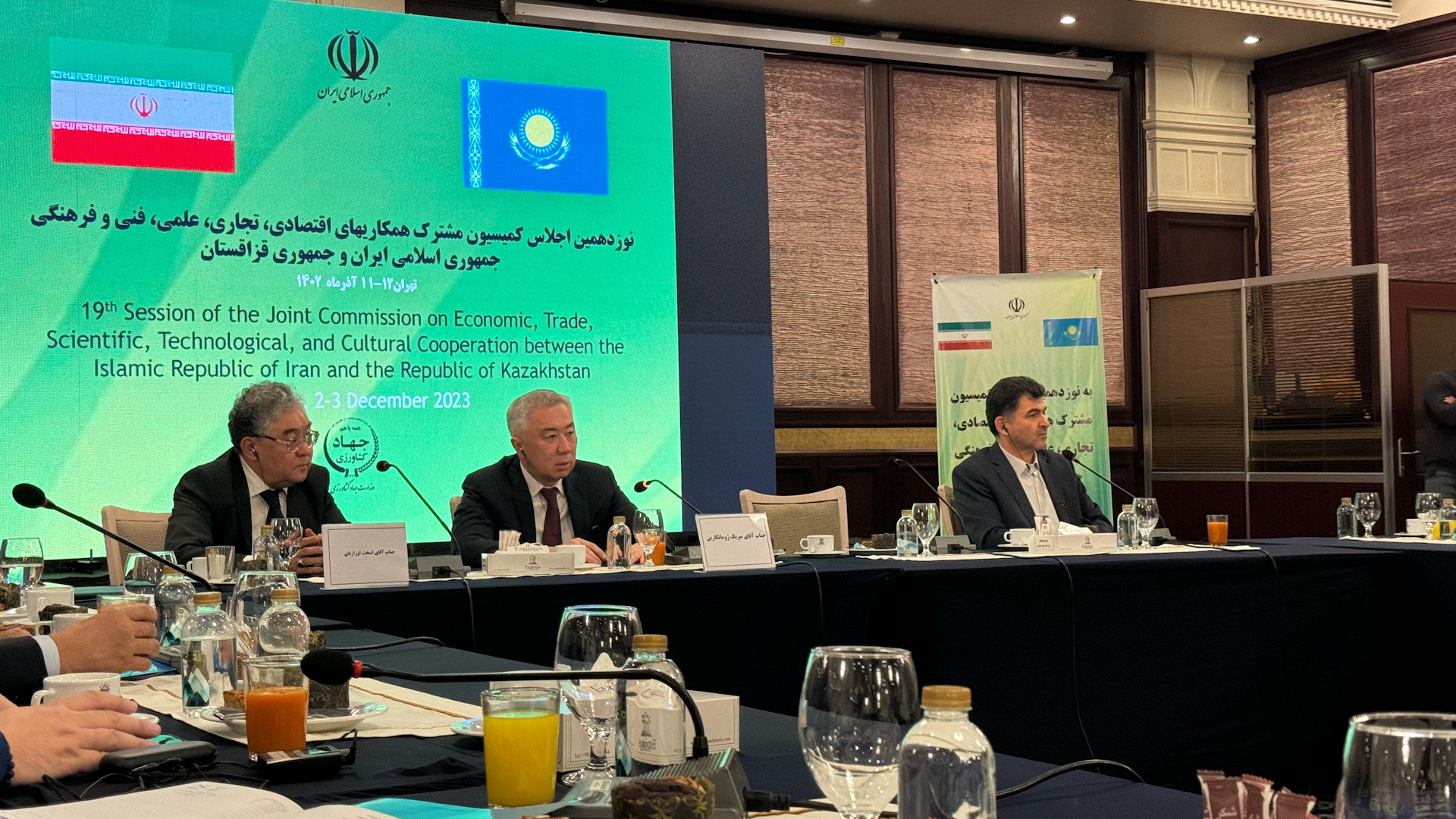
In today’s global economy, understanding trade restrictions is critical for businesses that seek to engage with international markets. The trade restrictions imposed on Iran have been significant and multifaceted, impacting various sectors. This guidance on Iran trade restrictions https://anaisnailspa.com/pgs/iran-trade-restrictions-key-legal-considerations.html provides essential guidance on navigating these restrictions, highlighting key legal considerations and practical advice for compliance.
Background on Iran Trade Restrictions
The trade sanctions on Iran stem from concerns over its nuclear program, terrorism, and human rights violations. Various international bodies, including the United States and the European Union, have imposed sanctions that restrict trade with Iran. These sanctions can vary in scope, including prohibitions on specific goods, services, and financial transactions.
Types of Trade Restrictions
Understanding the types of trade restrictions is crucial for any business considering entering the Iranian market. There are primary and secondary sanctions. Primary sanctions apply directly to U.S. entities and their subsidiaries, whereas secondary sanctions extend to foreign entities that engage in certain transactions with Iran.
Primary Sanctions
Primary sanctions generally prohibit U.S. businesses from engaging in trade with Iran unless authorized by the Office of Foreign Assets Control (OFAC). Specific sanctioned goods include various commodities, technology, and services that could contribute to Iran’s military capabilities or nuclear development.
Secondary Sanctions
Secondary sanctions threaten to cut off non-U.S. entities from the American financial system if they engage in prohibited transactions with Iran. This additional layer of restrictions complicates international trade, as companies must evaluate their operations to mitigate potential risks of secondary sanctions.
Legal Considerations for Doing Business with Iran
Given the complexities surrounding Iran trade restrictions, businesses must take legal considerations seriously. Compliance with both U.S. and international sanctions can be challenging. Companies must conduct thorough due diligence before entering any agreement or conducting business with Iranian entities.
Conducting Due Diligence
Due diligence represents one of the most critical steps in ensuring compliance with trade restrictions. Businesses should invest time and resources in researching Iranian partners to assess their legitimacy and the risks involved. This may include checking government watchlists, conducting background checks, and reviewing previous dealings.
License Applications
If a business identifies a potential transaction that may fall under sanctions, it may seek a license from OFAC. The license grants permission to conduct specific activities that would otherwise be prohibited. Businesses must clearly articulate the purpose and nature of the transaction to enhance their chances of approval.
Regulatory Risks
Engaging with Iranian markets involves navigating a web of regulatory risks. Violations of the Iran trade restrictions can lead to severe penalties, including substantial fines and reputational damage. Businesses must remain vigilant and ensure that their compliance programs are robust.
Internal Compliance Programs
Establishing an internal compliance program is essential. Companies should develop policies and training programs that equip employees with knowledge about sanctions and legal obligations. Regular audits and compliance checks can help identify areas needing improvement and ensure ongoing compliance.
Assessing Strategic Opportunities
Despite the complexities of trade restrictions, certain sectors may present strategic opportunities for businesses that can navigate the regulatory environment. The oil and ga
s, telecommunications, and pharmaceuticals sectors occasionally see openings during periods of eased sanctions, but businesses must remain agile and informed of changing regulations.
Market Analysis
Conducting a market analysis is critical in assessing potential risks and rewards associated with entering the Iranian market. Analyzing industry trends, demand for specific products or services, and the competitive landscape will aid in making informed decisions.
Conclusion
Navigating trade restrictions on Iran can be daunting but is not insurmountable. By understanding the nature of sanctions, conducting thorough due diligence, and establishing robust internal compliance programs, businesses can effectively mitigate risks. The dynamic nature of international trade means that remaining informed about legal developments is crucial for continued success in a complex environment.
Final Thoughts: Engaging with Iran offers both potential rewards and significant risks. Businesses must weigh these factors carefully and consult legal professionals when uncertain. As geopolitical landscapes shift, continuous education and awareness will be integral for any company considering trading with Iran.